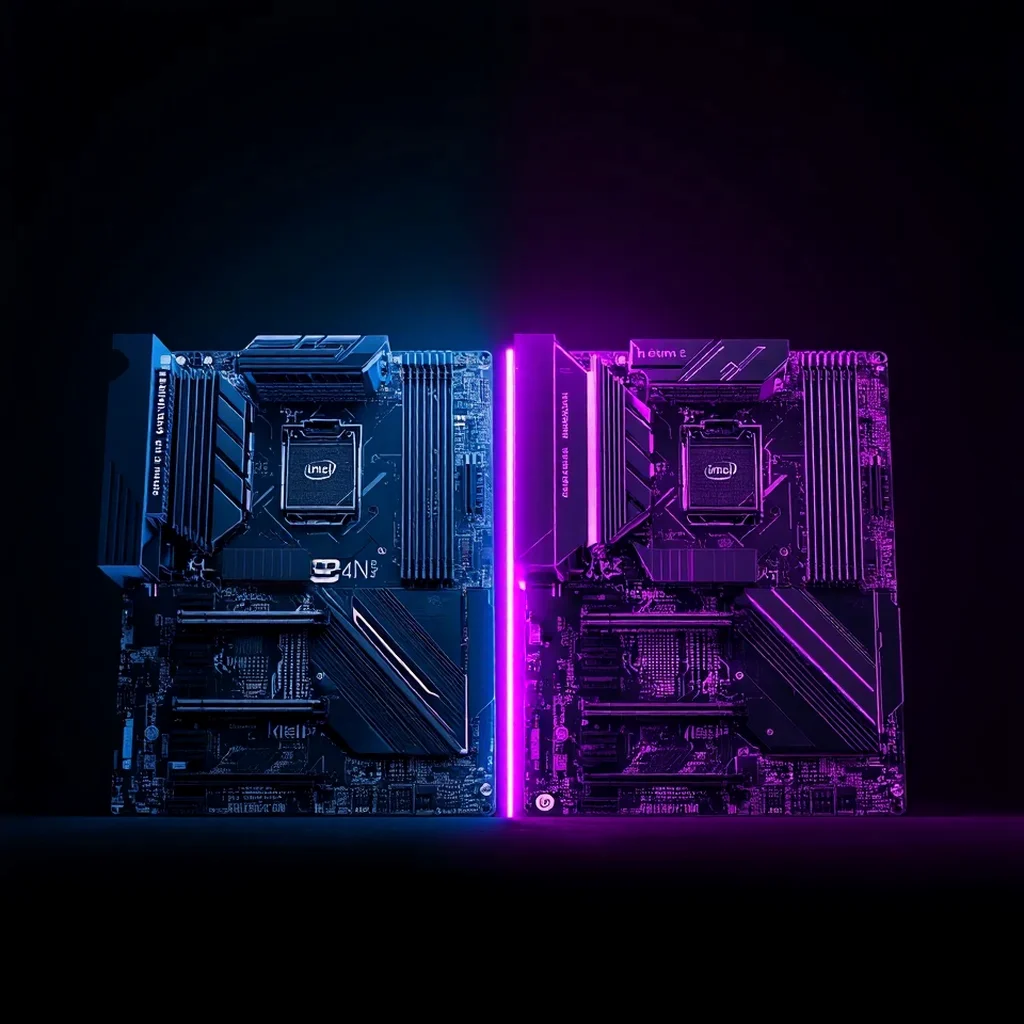
Intel may be moving the desktop platform forward with Arrow Lake, but it is not ready to let go of the past just yet.
In an industry that usually treats each new platform as a hard reset, Intel is now signaling something different. While attention has shifted to the Core Ultra 200S “Arrow Lake” lineup and the newer LGA1851 platform, the company says 14th Gen Raptor Lake Refresh will remain a meaningful part of its desktop strategy. For budget-conscious builders and upgraders, that matters.
At a time when DDR5 pricing and total platform costs remain a bigger concern for mainstream buyers than raw bleeding-edge performance, Intel’s continued support for LGA1700 looks less like a temporary holdover and more like a deliberate bridge strategy.
Intel Says Raptor Lake Is Not Going Away
Speaking in a recent interview with Club386, Intel VP and GM of client segment technical marketing Robert Hallock made the company’s position unusually clear. Raptor Lake, he said, remains “a big part” of Intel’s strategy and is “not going anywhere.”
That is a notable message for the DIY market. Many enthusiasts expected Intel to push desktop buyers more aggressively toward newer DDR5-only platforms, especially as Arrow Lake takes over the flagship conversation. Instead, Intel appears to be keeping 14th Gen chips and 700-series motherboard support in circulation for builders who still care most about total value.
Why DDR4 Still Matters in 2026
The biggest reason this story matters is simple: platform economics.
Raptor Lake’s main advantage in 2026 is flexibility. Unlike newer desktop platforms that effectively force a full DDR5 migration, LGA1700 can still support lower-cost DDR4 configurations. For builders who already own a capable DDR4 kit, or for those putting together an affordable gaming PC, office system, or home lab machine, that flexibility can make a real difference.
It is not just about saving money on memory alone. Reusing DDR4 can reduce the total cost of a build by avoiding a full platform reset all at once. In a market where buyers are already dealing with higher component prices, that matters more than it did a few years ago.
That is also why Intel’s move fits into a broader trend we have been tracking across the PC market: buyers are becoming more selective about where “next-gen” hardware is actually worth the premium. We explored that platform longevity question in more depth in our recent look at Intel’s multi-generation socket strategy versus AMD’s AM5 approach.
A Second Wind for LGA1700
For current owners of a Z690, Z790, or other LGA1700 motherboard, Intel’s message is especially important. It suggests the platform is not being abruptly abandoned, even as Intel moves its top-end messaging to newer products.
That gives existing users a clearer upgrade path. Someone running a 12th Gen or 13th Gen chip today may still be able to move higher within the same platform without taking on the full expense of a new motherboard and DDR5 memory kit. In practical terms, that keeps LGA1700 relevant longer than many builders may have expected.
For the DIY market, longevity like that can be more valuable than headline-grabbing new features. It lowers upgrade friction, extends the usefulness of existing systems, and gives budget-focused builders more room to time their purchases carefully.
Why Intel Is Doubling Down
There is also a business logic here that goes beyond consumer goodwill.
Raptor Lake is built on Intel’s mature Intel 7 process and represents a well-understood, already-established product family. Keeping those chips available allows Intel to continue serving a large part of the desktop market without forcing every buyer into its newest platform transition.
That matters because not every customer is shopping for AI features, platform novelty, or the last ounce of efficiency. A large part of the market still wants something simpler: solid gaming performance, broad motherboard availability, and lower total system cost.
Intel also appears to be responding to pressure in the exact segment where buyers are most sensitive to value. That is the same battleground we recently covered in our report on the mid-range CPU value war between AMD and Intel, where price, upgrade cost, and platform flexibility increasingly matter as much as benchmark leadership.
The Real Competitive Angle
In some ways, Intel’s move mirrors what made AMD’s AM4 platform so successful for so long. The appeal was not just performance. It was the sense that buyers could invest once and keep upgrading within the same ecosystem over time.
Intel has not always had that reputation. That is why keeping Raptor Lake “abundantly available” could carry more significance than the announcement first suggests. It gives Intel a way to remain competitive in the mainstream and entry-level desktop market without needing every buyer to immediately adopt its newest, more expensive platform.
That strategy could prove especially effective for system integrators, budget gaming builders, NAS users, office deployments, and anyone assembling a machine where price discipline matters more than having the newest badge on the box.
What It Means for Builders
For enthusiasts chasing the latest architecture, better efficiency, and stronger platform-level AI positioning, Arrow Lake remains the newer path. But that does not automatically make it the better buy for everyone.
For many practical builders, Raptor Lake may now be the more important Intel platform in the market. It offers mature boards, familiar tuning behavior, wide availability, and — crucially — the ability to stay in the DDR4 lane where that still makes financial sense.
In other words, Intel may have found an advantage in not forcing the entire desktop market to move on at once.
Sometimes the most competitive “new” strategy is keeping the old socket alive a little longer.