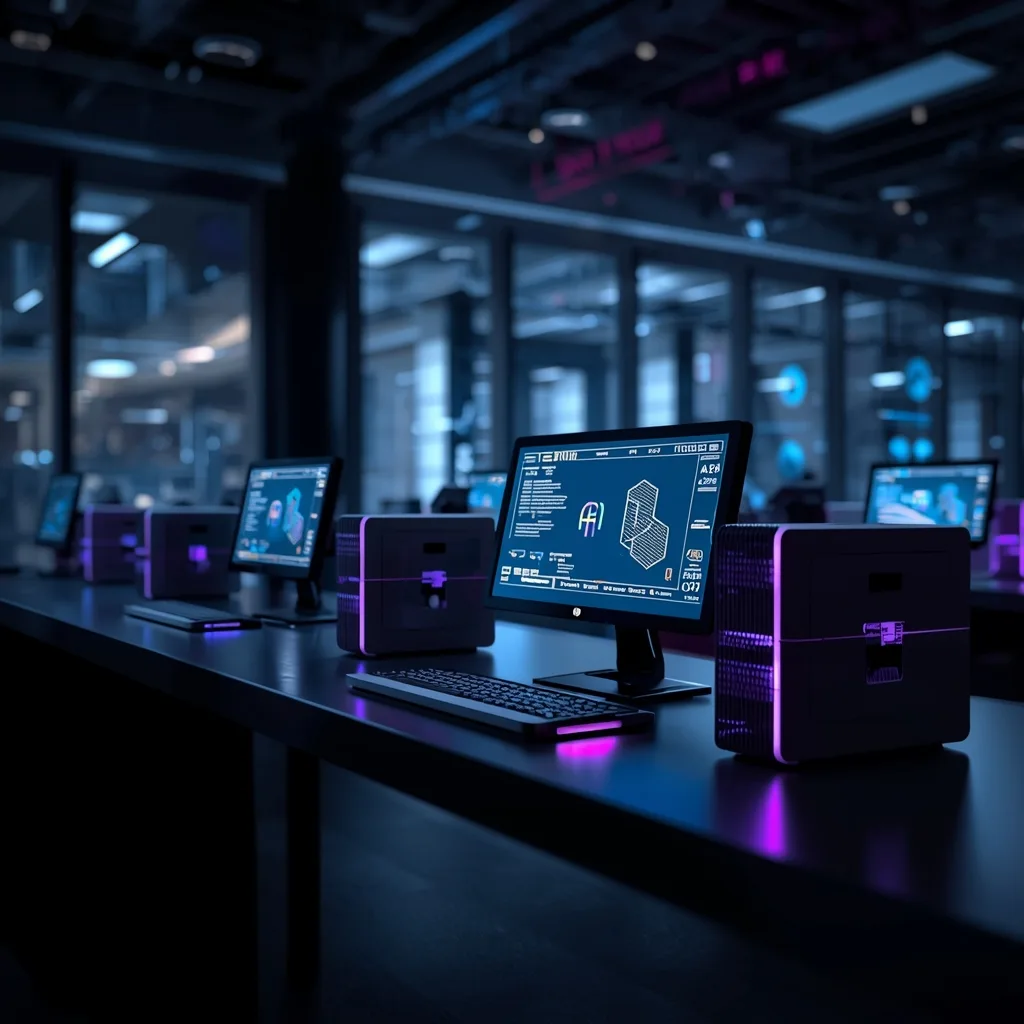
NVIDIA’s DGX vision is moving down from the data center and onto the desk.
A new class of compact AI workstations built around the NVIDIA GB10 Grace Blackwell superchip is now arriving from major OEMs including ASUS, Acer, Dell, HP, Lenovo, and GIGABYTE. On paper, these systems look remarkably similar: compact chassis, 128GB of unified memory, roughly 1 petaFLOP of FP4 AI performance, and software stacks designed for local AI development.
But once you look past the shared silicon, the real differences start to show. Some systems lean toward enterprise deployment. Others target developers who want a compact local AI box on the desk. A few appear designed for clustering, edge deployment, or lab-style scaling.
This comparison focuses on the 1TB class of configuration where available, because that is likely to be the most practical entry point for many developers and smaller labs. In ASUS’s case, current GX10 retail listings emphasize a 2TB configuration, so it is included here as a close platform reference rather than a strict 1TB match.
The result is the first real look at what the DGX-class desktop market may become: not one machine, but an ecosystem of compact local AI systems built on the same NVIDIA foundation.
The Platform: What Makes These Systems Different?
At the center of all of these desktops is the same basic idea: bring AI development hardware that used to feel server-adjacent into a much smaller desktop form factor.
Instead of a traditional x86 CPU paired with a discrete GPU, the GB10 platform combines Arm-based Grace CPU cores, a Blackwell GPU architecture, and high-capacity unified memory into one tightly integrated design. This reflects a broader industry shift away from traditional PC architectures, as explored in our five-way AI chip war breakdown. That matters because these systems are not just trying to be “small desktops with AI branding.” They are meant to run larger AI models locally, prototype workflows on-premises, and then hand projects off to larger cloud or data center infrastructure when needed.
That positioning gives them a very different mission from the AMD Strix Halo AI workstations we recently examined. Strix Halo aims to bring large-model experimentation to a broader workstation audience. NVIDIA’s GB10 desktops, by contrast, look more like controlled, full-stack AI appliances built for developers, labs, and enterprise teams that want a standard platform.
Another important shift is power efficiency at scale. Despite delivering performance that approaches entry-level data center systems, these GB10 desktops typically operate within a ~240W external power class, with total system draw varying by workload. This allows them to run on standard office power without specialized infrastructure—a key reason why AI development is now moving from server rooms directly onto the desk.
DGX-Class Desktop Comparison: 1TB-Class Configurations
| System | Core Platform | Memory | Storage Focus | Best Fit | Standout Angle |
|---|---|---|---|---|---|
| ASUS Ascent GX10 | NVIDIA GB10 Grace Blackwell | 128GB unified memory | Current retail emphasis appears to be 2TB | AI developers and researchers | Closest “DGX Spark on your desk” interpretation |
| Acer Veriton GN100 AI Mini | NVIDIA GB10 Grace Blackwell | 128GB unified memory | Up to 4TB listed; 1TB-class positioning fits entry comparison | Developers, startups, education, labs | Mini workstation framing with enterprise-friendly branding |
| Dell Pro Max with GB10 | NVIDIA GB10 Grace Blackwell | 128GB LPDDR5X unified memory | 1TB available | Enterprise and managed deployment | Dell’s cleanest AI appliance pitch |
| HP ZGX Nano AI Station | NVIDIA GB10 Grace Blackwell | 128GB unified memory | 1TB available | Business, labs, edge, compact desks | Tiny footprint with strong enterprise positioning |
| Lenovo ThinkStation PGX | NVIDIA GB10 Grace Blackwell | 128GB LPDDR5X unified memory | 1TB available | AI development and deployment | ThinkStation branding plus workstation-style messaging |
| GIGABYTE AI TOP ATOM | NVIDIA GB10 Grace Blackwell | 128GB unified memory | 1TB-class comparison target | Local AI prototyping and scaling | Strongest enthusiast and cluster-friendly vibe |
Scaling Beyond a Single Box
While all of these systems share similar core specifications, networking may be the most important long-term differentiator. Several vendors are building around high-speed ConnectX-7 networking, enabling what is effectively node-level scaling at the desktop level.
In practical terms, high-speed interconnects allow certain GB10 systems to be linked for larger-model workflows, extending usable local AI capacity beyond a single 128GB node. Dell and GIGABYTE in particular are explicitly positioning their systems for this kind of “twin-node” or clustered deployment, which begins to blur the line between a desktop workstation and a small AI cluster.
This reinforces a key theme of this category: some systems are designed to stand alone, while others are clearly built to scale.
Six Systems, One Core Idea
The first thing to understand about this market is that these machines are more alike than different.
Every system in this comparison is built around the same NVIDIA story: compact personal AI computing, unified memory, local model work, and a software path that connects the desk to larger accelerated infrastructure. That means buyers are not really choosing between six totally different architectures.
They are choosing between six interpretations of the same AI workstation formula. That shift marks a turning point: differentiation is no longer driven by silicon, but by how each vendor packages, deploys, and scales that silicon across real-world workflows.
That is an important distinction. In the early days of the PC market, clones mattered because they standardized access to a platform. In the early workstation GPU era, vendors differentiated through chassis quality, deployment strategy, thermals, manageability, and ecosystem. These GB10 systems feel much closer to that second category.
ASUS Ascent GX10: The Closest Thing to a Reference Desktop
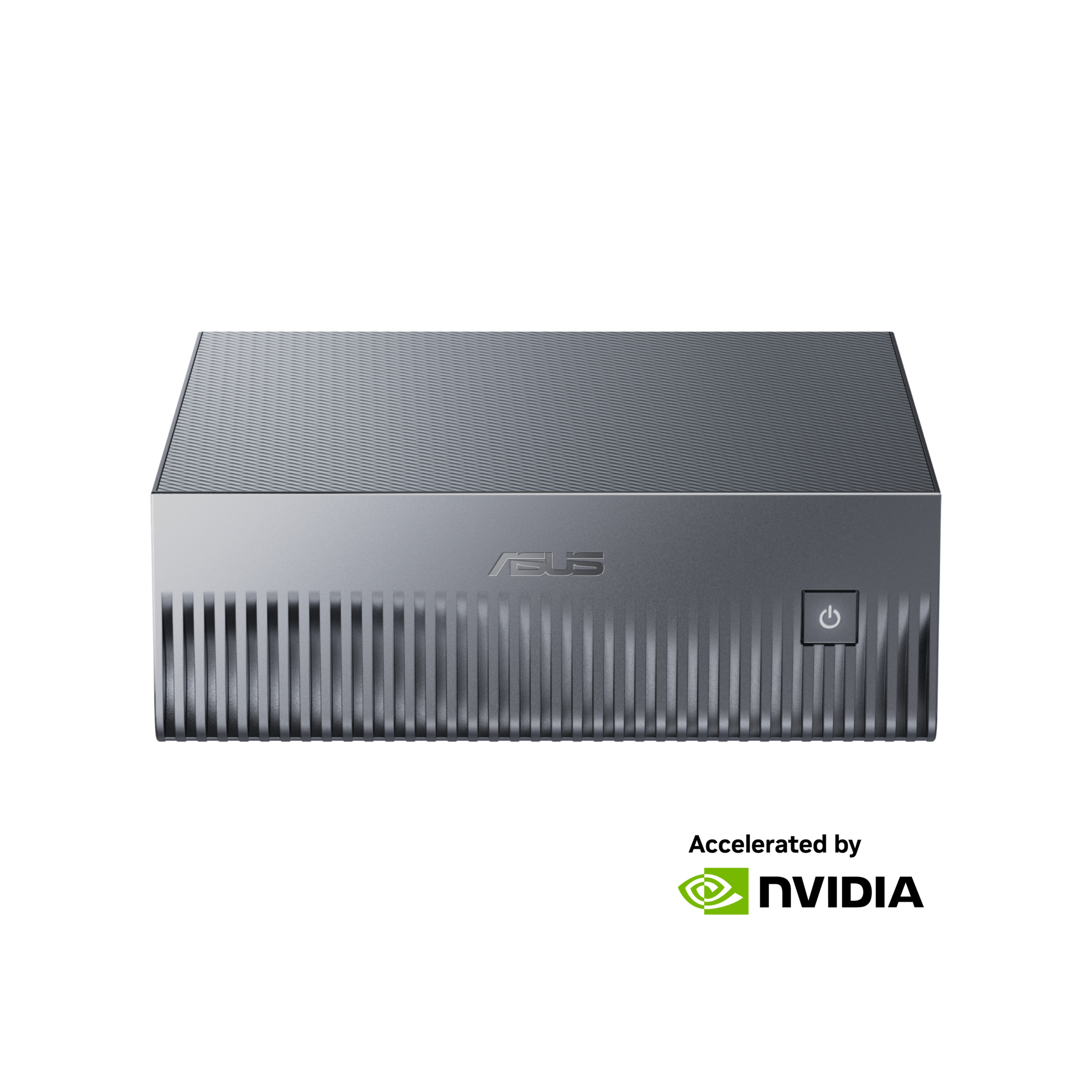
ASUS positions the Ascent GX10 as a compact desktop AI supercomputer, and that framing matters.
Among the systems in this group, the GX10 feels closest to the pure NVIDIA reference vision: a small personal AI system meant for developers, researchers, and technically inclined users who want local AI performance without moving into a full rack or tower environment. That focus also leads to a distinct pricing tier, with visible 2TB retail configurations starting around $3,999.
The catch is that current retail visibility appears to favor a 2TB configuration rather than a clean 1TB baseline. That does not remove it from the comparison, but it does make it slightly less tidy for a strict apples-to-apples entry-storage discussion.
Still, if the question is which OEM seems most directly aligned with the original “DGX Spark on your desk” concept, ASUS is near the front of the pack.
Acer Veriton GN100 AI Mini: The Most Straightforward Mini Workstation Pitch
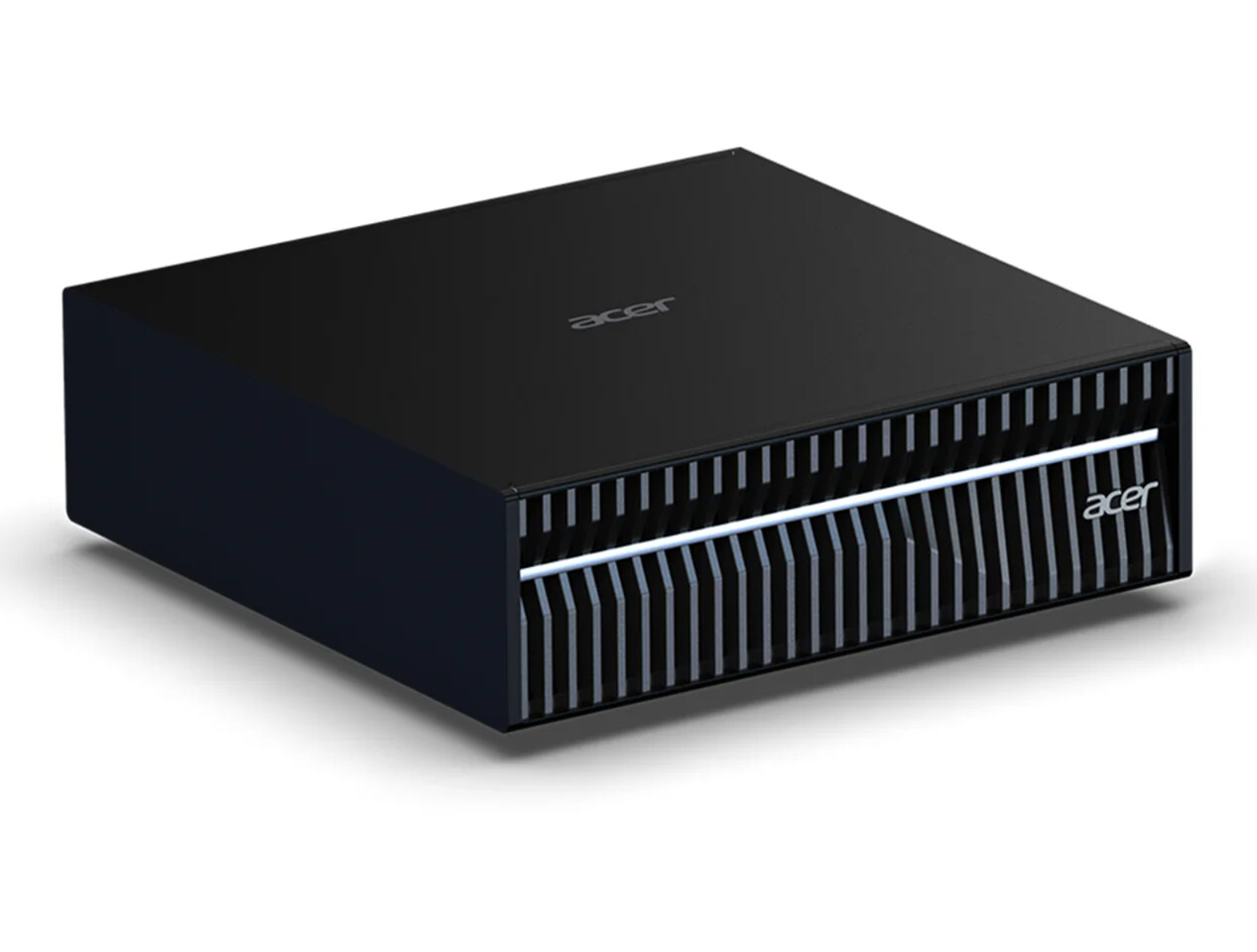
Acer’s Veriton GN100 takes perhaps the most accessible messaging path in the group. Rather than leaning too hard into supercomputer language, Acer frames the product as an AI mini workstation for developers, startups, researchers, and schools.
That makes the GN100 easy to understand. It is a compact local AI workstation, not a vague “AI PC” and not a full server. Acer’s messaging also gives it a broader audience than some of the more enterprise-coded systems in this roundup.
If the DGX-class desktop category eventually spreads beyond high-end labs and into smaller teams, Acer’s approach may end up being one of the more practical ones.
Dell Pro Max with GB10: The Enterprise Appliance Interpretation
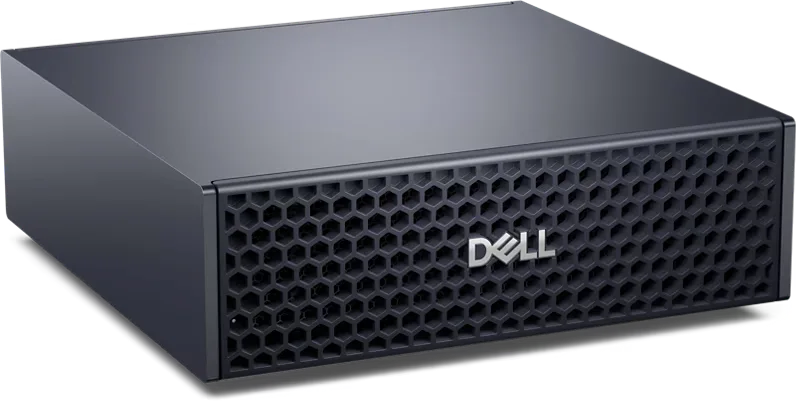
Dell’s version may be the clearest sign that this category is not just about enthusiasts or experimental desktops.
The Dell Pro Max with GB10 looks like an AI appliance built for professional deployment. Dell’s product materials emphasize the GB10 Grace CPU and Blackwell GPU split, DGX OS, and configuration clarity rather than hobbyist-style excitement. A key point of differentiation for this model is Dell’s federal positioning, including TAA-certified configurations aimed at government and other regulated environments.
That gives Dell a distinct position in this field. If ASUS and GIGABYTE feel closer to the “personal AI supercomputer” side of the spectrum, Dell feels like the vendor most interested in making this hardware easy to drop into a managed business or institutional environment.
HP ZGX Nano AI Station: Smallest-Footprint Enterprise Logic
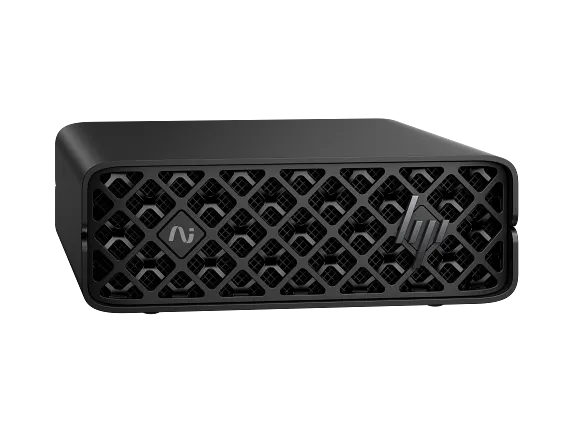
HP’s ZGX Nano AI Station makes a very specific argument: serious AI development does not have to consume serious desk space.
HP leans into compactness, enterprise familiarity, and model prototyping language. That gives the ZGX Nano a strong identity for companies and labs that want a recognizable vendor, a small footprint, and a workstation that can still plug into a larger AI workflow later.
It may not be the most exciting system in the lineup aesthetically, but that can actually be a strength. Some of the most successful workstation products are the ones that look easy to approve, easy to deploy, and easy to support.
Lenovo ThinkStation PGX: Workstation Branding Meets AI-Only Intent
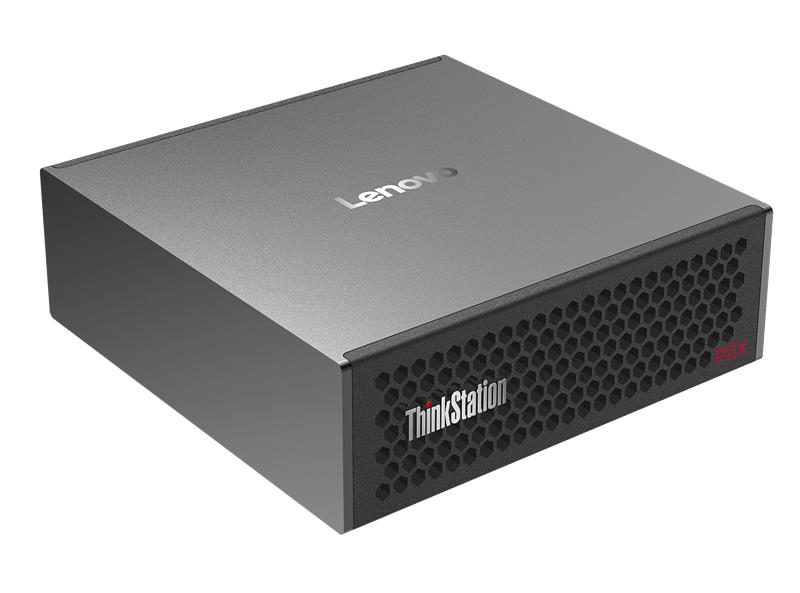
Lenovo’s ThinkStation PGX may be the easiest product in this roundup to explain to an existing workstation buyer.
The ThinkStation brand already carries expectations around professional deployment, and Lenovo uses that familiarity to position the PGX as a compact workstation dedicated to AI development and deployment. In other words, this is not trying to be a general-purpose small desktop with AI features sprinkled on top. It is purpose-built AI hardware wearing a workstation badge.
That clarity may help Lenovo with enterprise buyers who want a familiar product family but also want something more specialized than a standard desktop workstation.
GIGABYTE AI TOP ATOM: The Most “Local AI Lab” Energy
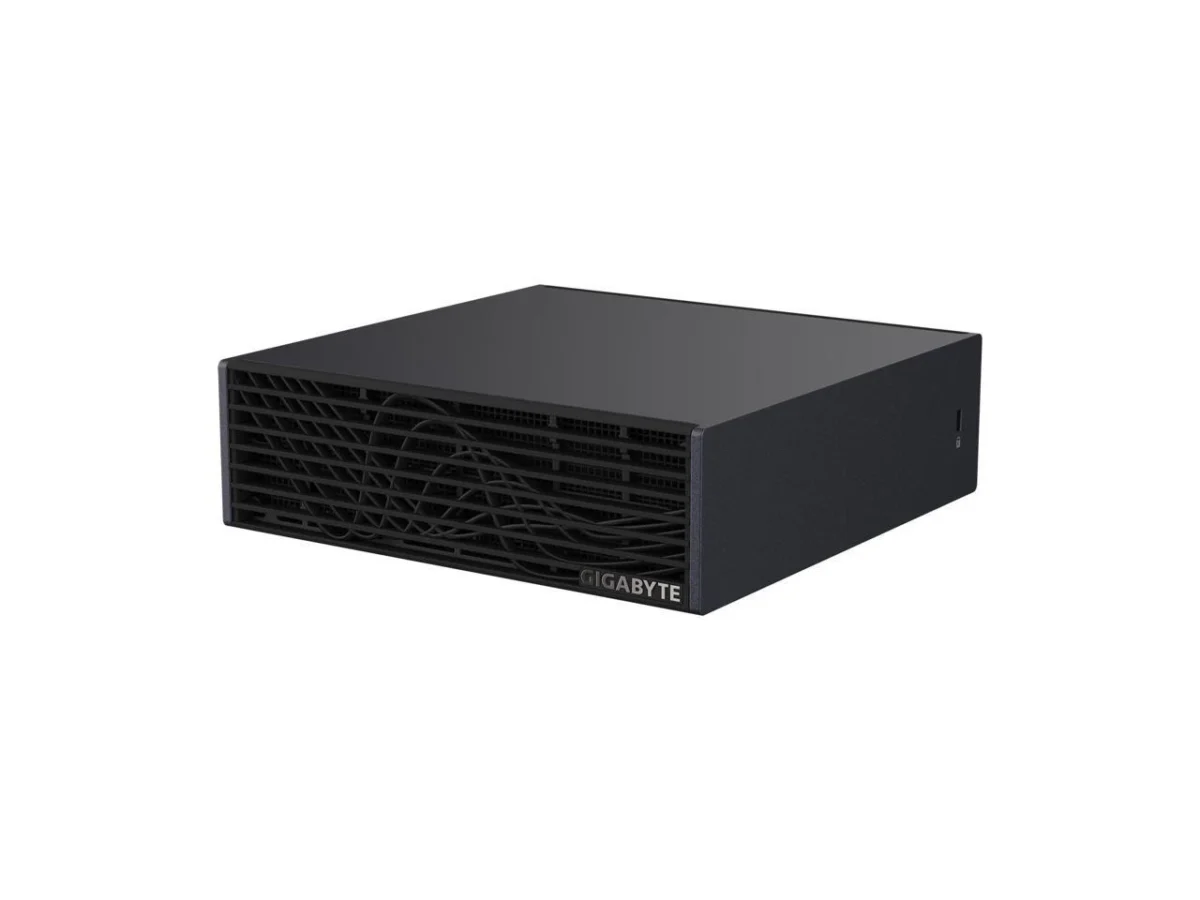
If one product in this field feels closest to the idea of a compact AI lab box, it is probably GIGABYTE’s AI TOP ATOM. GIGABYTE’s entry focuses heavily on prototyping and local labs, with 1TB-class retail configurations appearing below some enterprise-focused rivals.
GIGABYTE emphasizes local AI development, compact deployment, and scaling logic more than polished enterprise framing. That gives the AI TOP ATOM a distinct personality in a market where many systems share the same silicon and much of the same headline specification list.
For buyers who think in terms of prototyping, experimentation, and cluster-style expansion rather than corporate workstation categories, GIGABYTE’s approach may be one of the most interesting.
They Are Not Really Competing on Raw Specs
That is the most important takeaway from this first wave of GB10 desktops.
Because the core platform is so similar across vendors, this market is not primarily about who has the biggest specification advantage. It is about system interpretation.
That means buyers should look less at the shared “1 PFLOP, 128GB unified memory” headline and more at questions like:
- Which vendor’s deployment model fits my environment?
- Do I want a compact research box, a workstation appliance, or a small AI lab node?
- How much do I value familiar enterprise support and manageability?
- Do I care more about clean local development, or about scaling multiple systems together later?
In other words, the first real differentiator in the DGX-class desktop market may not be compute. It may be workflow fit.
DGX-Class Desktops vs. Strix Halo AI Workstations
This is also where the split between NVIDIA’s GB10 systems and AMD’s Strix Halo workstations becomes especially interesting.
As we discussed in our Strix Halo workstation analysis, AMD’s pitch is fundamentally about using high-capacity unified memory and strong integrated graphics to bring large-model experimentation to a broader desktop audience.
NVIDIA’s GB10 desktops are aiming at something slightly different. They look more like full-stack AI development boxes designed to keep the local workflow aligned with the larger NVIDIA ecosystem.
That makes the market more interesting, not less. Instead of one standard for AI workstations, 2026 is starting to look like a split between:
- Open-ended, PC-like AI workstations built around platforms such as Strix Halo
- Controlled, DGX-class AI desktops built around NVIDIA’s GB10 stack
This divide could become one of the defining themes of the next phase of AI PC development. For a technical breakdown of this ecosystem, see our detailed comparison of Prosumer AI Workstation Tiering below.
| Feature | GB10 Grace Blackwell (Controlled Appliance) | Strix Halo Ryzen AI Max+ (Open Station) | GeForce RTX 5090 (Consumer DIY) |
|---|---|---|---|
| Primary Audience | Labs, Startups, Enterprise Teams | Researchers, Prosumers, Developers | Enthusiasts, Gamers, DIY Builders |
| NPU (AI Engine) | Blackwell Architecture (Tensor) | XDNA 2 NPU | Tensor Cores (within GPU) |
| AI Performance | 1 Petaflop (FP4) | ~126 TOPS (Unified) | ~120 TOPS (NPU + Tensor) |
| Unified Memory (Max) | 128GB LPDDR5X (Coherent) | 128GB LPDDR5X (Shared) | 24GB GDDR7 (Dedicated VRAM) |
| Memory Bandwidth | 273 GB/s (Grace-to-GPU Link) | ~256 GB/s | 1,000+ GB/s (GDDR7 VRAM) |
| System TDP (Typ.) | ~280W–320W | 120W–160W | 500W+ (DIY Desktop) |
| Est. Unit Cost | $3,800 – $4,800 | $2,200 – $3,300 | $4,500 – $6,000+ (DIY Build) |
Our Take
The first wave of GB10 desktops is not really about picking a single winner. It is about recognizing that the personal AI workstation market is becoming a real category.
ASUS, Acer, Dell, HP, Lenovo, and GIGABYTE are all effectively testing the same thesis: that developers, researchers, startups, and enterprises want a compact local AI system that sits somewhere between a traditional workstation and a small server.
That thesis now looks credible.
The hardware is real. The OEM support is real. The software stack is real. The only thing still taking shape is the long-term market identity.
For now, the smartest way to view these systems is not as substitutes for every GPU workstation, and not as mini servers pretending to be desktops. They are the first real attempt to make DGX-style AI development a standard desk-side experience.
And if that category sticks, this first generation may be remembered less for which vendor won, and more for the moment when AI infrastructure finally started shrinking down to workstation scale.