
The 2026 Memory Crunch: How Rising DRAM and NAND Costs Are Reshaping Gaming Hardware
The gaming hardware industry is entering a new phase of cost pressure as global DRAM and NAND supply tightens.
Rising memory prices are beginning to ripple across the industry — from rumored console pricing adjustments to handheld supply constraints and next-generation roadmap decisions. While many specific product impacts remain unconfirmed, the underlying trend is increasingly clear: memory and storage costs are rising at precisely the moment gaming hardware demands more of both.
From Nintendo’s next console to Sony’s long-term platform strategy and Valve’s handheld ecosystem, memory inflation is emerging as one of the defining hardware challenges of 2026.
This is not a single-product issue or a short-term pricing spike. Instead, it reflects a broader structural shift in how critical components are allocated across the global technology industry, with AI infrastructure now competing directly with consumer electronics for memory supply.
As a result, gaming hardware pricing, release timing, and long-term platform planning are all entering a more uncertain and cost-sensitive phase.
What’s Driving the Memory Tightening?
Two primary forces are converging to create what industry observers increasingly describe as a structural imbalance in memory supply.
AI Infrastructure Is Consuming Capacity
The most significant driver is the explosive growth in AI infrastructure. Data centers building large-scale training and inference clusters are prioritizing high-bandwidth memory (HBM), advanced DRAM modules, and enterprise-grade NAND storage.
Memory manufacturers operate within finite wafer capacity. When production shifts toward high-margin AI components, less capacity remains available for consumer-grade LPDDR, GDDR, and SSD storage used in consoles, handhelds, and gaming PCs.
This does not necessarily mean total memory production is declining. Instead, allocation priorities are changing, with enterprise and AI customers commanding premium pricing and long-term supply commitments.
The result is tighter availability and rising costs across the consumer hardware supply chain.
Supplier Price Increases
Multiple industry reports indicate memory suppliers have implemented price increases across several categories, with some segments seeing increases in the 20% to 30% range. Certain high-performance configurations have reportedly experienced even sharper adjustments.
For gaming hardware manufacturers operating on tight margin targets — especially consoles traditionally sold near cost — even modest component price increases can significantly alter pricing strategy.
Unlike GPUs, which can fluctuate based on specific demand cycles, memory price movements tend to affect nearly every hardware category simultaneously. This makes memory inflation particularly impactful across the entire gaming ecosystem.
Nintendo: Switch 2 Pricing Pressure Builds
Among the most closely watched developments is how rising memory costs could affect Nintendo’s next-generation console strategy.
Rising Component Costs
Supply-chain chatter suggests the upcoming Switch successor will utilize more advanced memory and storage configurations than its predecessor, including higher-capacity LPDDR5X and expanded NAND storage.
Industry observers have reported significant increases in LPDDR5X pricing compared to early production estimates, alongside more moderate but still notable increases in NAND flash costs. While these figures remain unconfirmed by Nintendo, they align with broader memory price inflation across the consumer electronics sector.
Reports of rising memory and component costs are already influencing expectations around Nintendo’s next console, with pricing pressure becoming a growing topic across the industry.
MSRP Stability Under Pressure
Historically, Nintendo has maintained relatively stable console pricing during early lifecycle phases. The original Switch largely avoided major MSRP increases despite component volatility.
However, with next-generation hardware expected to deliver higher performance at a rumored launch price already above previous Nintendo systems, analysts suggest pricing flexibility may be more limited this cycle.
If elevated component costs persist through 2026, industry observers believe retail pricing adjustments could become more likely, either at launch or during early production phases. No official pricing changes have been confirmed.
What’s Confirmed vs. Speculative
- Confirmed: Memory pricing across the industry is rising.
- Not confirmed: Any official pricing or launch adjustments for Nintendo’s next console.
- Speculative: Potential MSRP changes tied directly to memory cost inflation.
Until Nintendo comments publicly, these projections remain analytical rather than official.
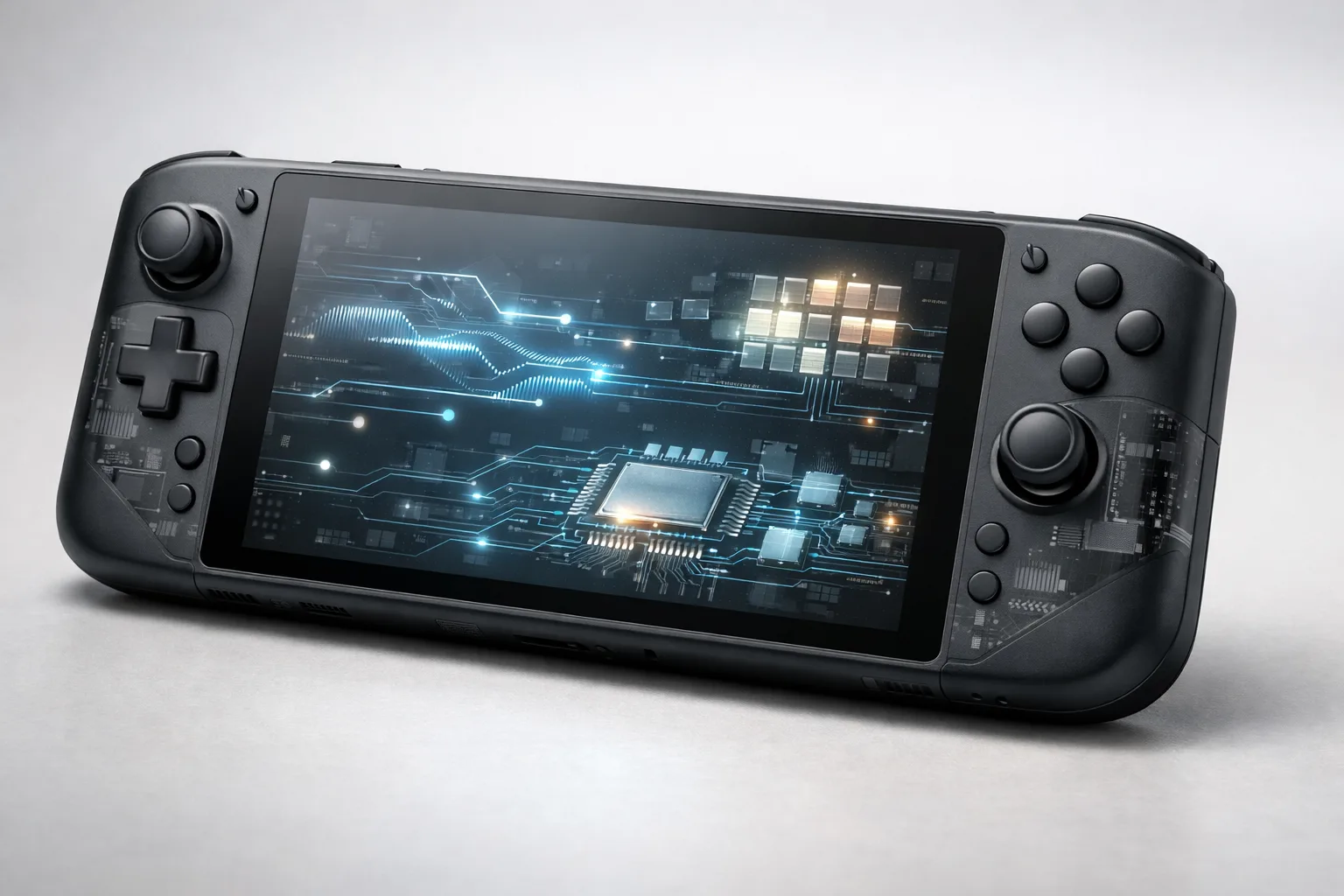
Sony: Memory Economics and the Next Console Cycle
Sony’s long-term hardware planning may be even more sensitive to sustained memory inflation.
Launch Timing Considerations
The PlayStation 6 has broadly been expected within the traditional six-to-seven-year console cycle, placing its arrival around 2027. However, industry reports suggest internal timelines could remain flexible depending on component cost conditions.
Launching a high-performance console during peak memory inflation could force difficult choices:
- A significantly higher MSRP
- Reduced hardware margins
- Or strategic launch delays
None of these outcomes are ideal for platform adoption.
Increasing Memory Requirements
Next-generation consoles are expected to require substantially more memory to support advanced rendering pipelines, ray tracing, and increasingly complex AI-assisted game systems.
Some projections suggest that future console architectures could require significantly higher combined system and graphics memory pools than current-generation hardware. At elevated pricing levels, memory alone could represent a larger portion of total bill-of-materials cost than in previous generations.
Strategic Flexibility
Delaying launch until component pricing stabilizes would allow manufacturers to secure improved supplier contracts, benefit from process maturation, and avoid introducing hardware at price points that could hinder adoption.
Console makers have historically adjusted internal roadmaps in response to component economics. No official changes to Sony’s next-generation timeline have been announced.
Valve: Visible Impact on Current Hardware
Unlike next-generation console speculation, Valve is already experiencing tangible supply effects within the current market.
Steam Deck OLED Availability
Valve has acknowledged intermittent stock constraints affecting the Steam Deck OLED in the United States. While not officially attributed to a specific memory shortage, broader supply pressures across DRAM and NAND markets align with these constraints.
Handheld gaming PCs are particularly sensitive to memory availability. They rely on:
- High-speed LPDDR memory
- NVMe storage
- Tight thermal and power efficiency tolerances
When memory allocation tightens, production scaling becomes more difficult.
Secondary Market Inflation
Limited availability has contributed to resale price inflation in some markets, with third-party listings occasionally exceeding official retail pricing. This mirrors supply-driven pricing distortions seen during previous GPU and console shortages earlier in the decade.
Future Hardware Considerations
Valve is widely believed to be exploring future hardware initiatives, including next-generation handhelds and expanded ecosystem devices. Reports suggest pricing feasibility and component costs are being closely evaluated under current market conditions. No official product delays or cancellations have been confirmed.
Why Gaming Hardware Is Especially Vulnerable
The gaming hardware market operates under unique economic constraints that amplify the impact of memory pricing.
Margin-Sensitive Console Economics
Unlike smartphones, which often carry substantial hardware margins, gaming consoles traditionally launch near cost. Manufacturers rely on software sales, subscriptions, and ecosystem services for long-term profitability.
When component prices rise unexpectedly:
- Passing costs to consumers risks slowing adoption
- Absorbing costs strains profitability
This leaves little room for error.
Fixed Performance Targets
Next-generation consoles cannot easily scale back performance without undermining developer expectations and long-term platform viability. Hardware capabilities are typically defined years in advance.
If memory becomes too expensive, manufacturers face difficult trade-offs:
- Reduce memory capacity
- Delay launch
- Increase pricing
Each carries strategic risks.
Handheld Constraints
Portable gaming devices face even tighter design and cost limitations. Advanced memory modules required for efficiency and performance often carry premium pricing, making handheld platforms especially sensitive to supply fluctuations.
Could the Memory Market Stabilize?
Memory markets are historically cyclical, with shortages often followed by periods of oversupply. However, current conditions differ from past cycles in one key respect: sustained AI infrastructure demand.
Data center expansion remains aggressive and capital-intensive, with memory playing a central role in AI system performance.
Potential moderating factors include:
- Expansion of fabrication capacity
- Diversified supplier agreements
- Gradual normalization of AI hardware build-outs
However, these changes typically take multiple production cycles to influence consumer pricing.
If AI demand remains strong through 2027, consumer hardware could continue facing constrained allocations and elevated costs.
Broader Implications for Gamers
Higher Entry Costs
Whether through direct price increases or reduced promotional activity, gamers may encounter:
- Higher console pricing
- Elevated handheld costs
- Less aggressive discounting
Extended Hardware Cycles
Manufacturers may extend current-generation platforms longer than initially planned to avoid launching new hardware during peak component inflation.
PC Market Ripple Effects
Memory pricing affects nearly every segment of PC gaming, including:
- Desktop RAM kits
- Laptop memory
- NVMe SSD storage
Sustained price pressure could lead to continued volatility for PC builders and upgraders.
Separating Signal From Speculation
At present, confirmed developments include:
- Rising DRAM and NAND pricing across multiple segments
- Strong AI-driven demand for advanced memory
- Visible supply constraints affecting some consumer hardware
Unconfirmed but widely discussed:
- Potential Nintendo console pricing adjustments
- Possible next-generation console timeline shifts
- Long-term pricing implications for future hardware
Until official announcements emerge, many product-specific outcomes remain speculative. However, the broader industry trend is well supported by supply-chain data and pricing movement.
Why This Story Will Evolve Through 2026
Memory pricing, AI infrastructure demand, and next-generation hardware planning are all evolving rapidly. Confirmed pricing adjustments, production shifts, or official platform announcements could significantly reshape the outlook over the coming months.
What is already clear is that memory has become one of the most strategically important components in modern gaming hardware economics. No longer a background cost, it now plays a central role in determining pricing, performance targets, and release timing.
InsightTechDaily will continue tracking how memory supply and pricing influence gaming hardware across consoles, handhelds, and PC platforms throughout 2026 and beyond.
The New Era of Hardware Economics
The broader takeaway extends beyond memory alone. The gaming industry is entering a period of more volatile hardware economics, shaped by global competition for critical components.
For much of the 2010s, declining memory costs and stable fabrication scaling helped enable predictable hardware pricing. That environment is changing.
Today, gaming hardware no longer exists in isolation. It competes directly with AI infrastructure and enterprise computing for the same silicon resources.
Whether current conditions represent a temporary squeeze or a longer-term structural shift will depend on fabrication expansion, supplier strategy, and global demand for AI systems.
What is certain is that memory — once an overlooked line item — has become one of the most influential variables shaping gaming’