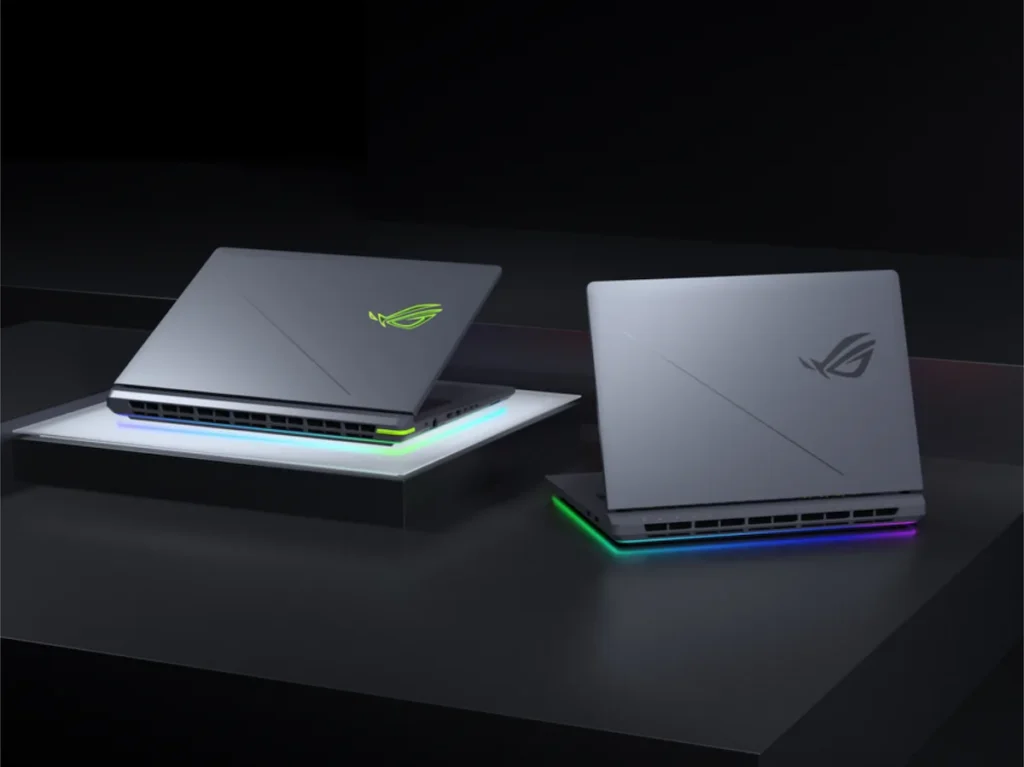
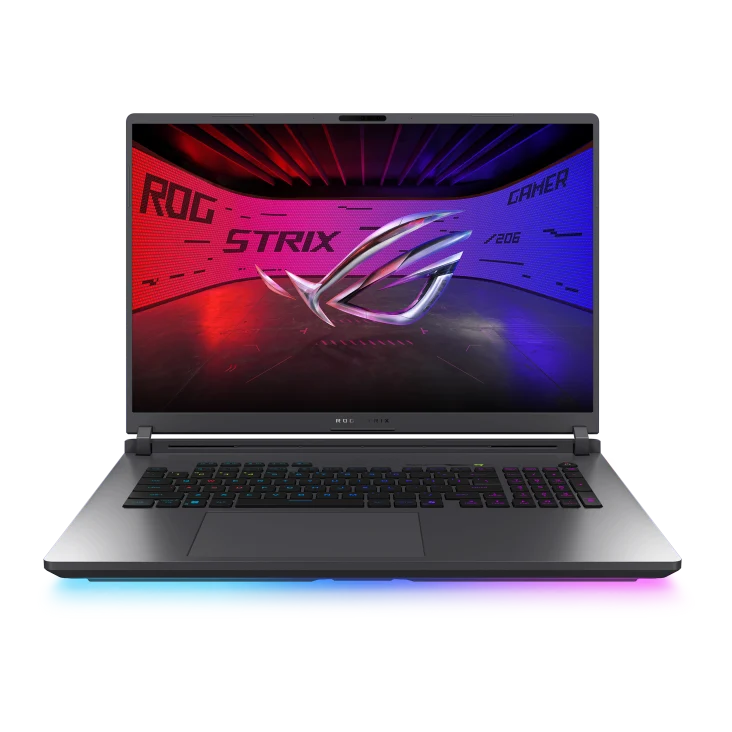
ASUS is refreshing its ROG Strix G16 and G18 gaming laptops with updated Intel silicon, next-generation NVIDIA graphics, and the kind of thermal headroom that keeps the Strix name planted firmly in the high-performance desktop-replacement class.
At a glance, this is not a complete reinvention of the formula. Instead, ASUS appears to be refining one of its most recognizable gaming laptop platforms with faster internals, AI-ready capabilities, and the kind of cooling and display hardware that continues to matter more than flashy marketing language.
For buyers tracking ASUS’s broader gaming push, this refresh also lands alongside other premium hardware moves from the company, including its recent ROG Strix OLED monitor lineup, which signals that ASUS is continuing to invest heavily in enthusiast-grade gaming displays and systems as a combined ecosystem.
A Familiar Chassis, Updated for a New Performance Cycle
The ROG Strix G16 and G18 have already built a reputation around large displays, aggressive cooling, and performance-first design. This refresh keeps that identity intact.
Rather than chasing the thinnest possible profile, ASUS continues to position the Strix family as a machine for gamers and power users who care more about sustained performance than minimal chassis thickness. That distinction matters, especially as more laptop brands try to blur the line between gaming notebooks and thin-and-light creator systems.
With the G16 and G18, ASUS still appears to be betting that there is a strong market for systems that prioritize wattage, airflow, and upgrade potential over ultra-slim design compromises.
Intel and RTX 50-Series Take Center Stage
The biggest story here is the platform update itself.
ASUS is pairing these refreshed Strix laptops with next-generation Intel processors and NVIDIA GeForce RTX 50-series laptop graphics, giving the lineup a clear performance-oriented identity for the current cycle. That makes these systems part of a larger trend in PC hardware, where laptop makers are no longer just selling gaming machines, but increasingly positioning them as hybrid systems for gaming, creative work, and local AI-assisted tasks.
Intel’s role is especially interesting in the current market. While the company’s product roadmap has seen its share of questions lately, including uncertainty around some desktop plans discussed in our Intel Arrow Lake refresh coverage, mobile remains one of the most important battlegrounds for Intel’s performance and platform relevance. Refreshes like this one help show where Intel still fits into the premium gaming notebook conversation.
Cooling Still Matters More Than Spec Sheets Alone
Gaming laptop launches often focus on CPU and GPU branding, but the real-world experience depends heavily on whether a chassis can actually sustain those parts under load.
That is where the ROG Strix family has historically tried to separate itself. ASUS continues to emphasize a robust cooling approach, and that matters because top-tier laptop silicon means very little if thermal constraints force clocks to collapse during longer gaming sessions or heavier mixed workloads.
In practical terms, the Strix G16 and G18 are still being positioned as machines built for users who expect long gaming sessions, creator workflows, and demanding multitasking rather than brief benchmark bursts.
The Display Remains a Core Part of the Pitch
As with prior Strix systems, display quality remains a major part of the value proposition.
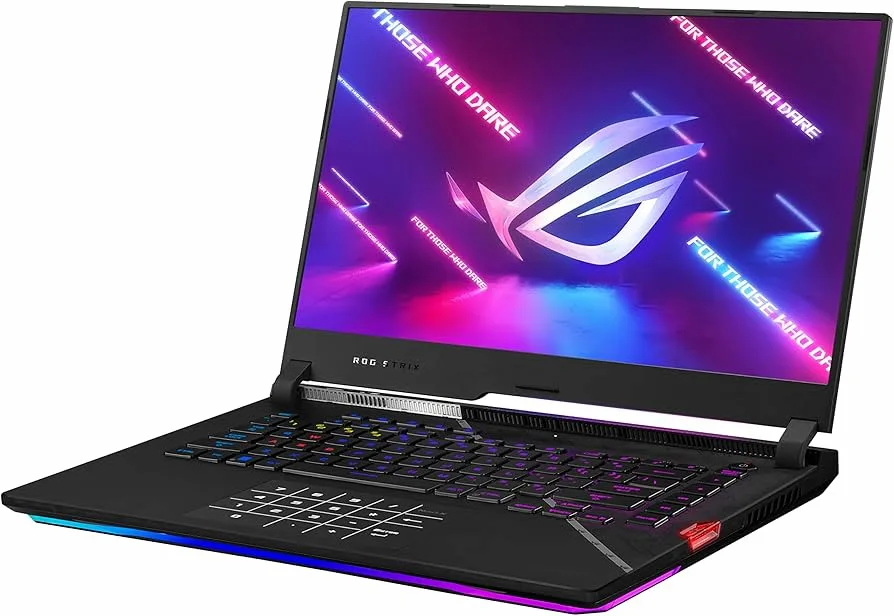
The G16 offers the more balanced size for users who want strong portability without giving up screen space, while the G18 leans harder into immersion and desktop-replacement territory. For competitive gaming, larger displays and higher refresh rates still matter, but so does panel quality for buyers who also use these systems for editing, streaming, or general content work.
That broader display strategy fits with what ASUS has been doing across its gaming hardware lineup. Between premium gaming monitors and large-format gaming laptops, the company seems intent on reinforcing the idea that visual experience is just as important as raw compute power.
Why This Refresh Matters
The new ROG Strix G16 and G18 are important not because they completely redefine gaming laptops, but because they reinforce where the category is heading — toward systems that combine gaming performance with broader compute capability.
Three trends stand out.
1. Gaming laptops are becoming broader compute platforms
These systems are increasingly expected to handle more than just games. Buyers now look for laptops that can manage video editing, 3D workloads, streaming, and AI-assisted applications alongside gaming.
This shift aligns closely with Intel’s strengths in high-core-count mobile processors, where multi-threaded performance benefits creator and productivity workloads as much as gaming.
2. Brand trust and sustained performance still drive buying decisions
The ROG Strix lineup has built a strong reputation among gamers for prioritizing performance over thin-and-light compromises. In practice, that means higher power limits, more aggressive cooling, and more consistent performance under sustained load.
In a market where many laptops chase portability, Strix continues to target buyers who care more about stability and long-session performance than peak benchmark numbers.
3. Desktop replacement laptops remain a core segment
Even as thinner gaming laptops gain popularity, there is still clear demand for 16-inch and 18-inch systems that offer larger displays, better thermals, and higher performance ceilings.
For many users, these systems effectively replace a traditional desktop — combining high refresh displays, powerful GPUs, and multi-core CPUs into a single, portable setup.
InsightTechDaily Take
ASUS did not need to reinvent the ROG Strix G16 and G18 to keep them relevant. Instead, the company is reinforcing what already works — a performance-first laptop design built around strong GPU power, high-quality displays, and multi-core CPU performance.
That formula continues to resonate with buyers. The Strix lineup is designed for users who want a system that can handle modern gaming, content creation, and demanding workloads without compromise — effectively serving as both a high-end gaming machine and a desktop replacement that can still be moved when needed.
In that sense, this refresh is less about change and more about alignment. ASUS is keeping the platform in step with the latest Intel and NVIDIA hardware while doubling down on sustained performance, cooling, and real-world usability.
The bigger takeaway is clear: gaming laptops are no longer defined by gaming alone. They are increasingly expected to function as all-purpose performance systems, and ASUS is positioning the Strix G16 and G18 squarely in that space.
Bottom Line
The refreshed ASUS ROG Strix G16 and G18 continue the company’s performance-first approach with new Intel and RTX 50-series hardware, large displays, and a design philosophy that still favors sustained power over slim-profile compromises.
For shoppers looking at the next wave of premium gaming notebooks, that may be exactly the point. ASUS is not trying to make the Strix lineup something else. It is trying to keep it fast, relevant, and competitive as gaming laptops become more capable all-around computing platforms.