Intel Arrow Lake Refresh Slated for March 23 Amid Core Ultra 9 Cancellation Reports
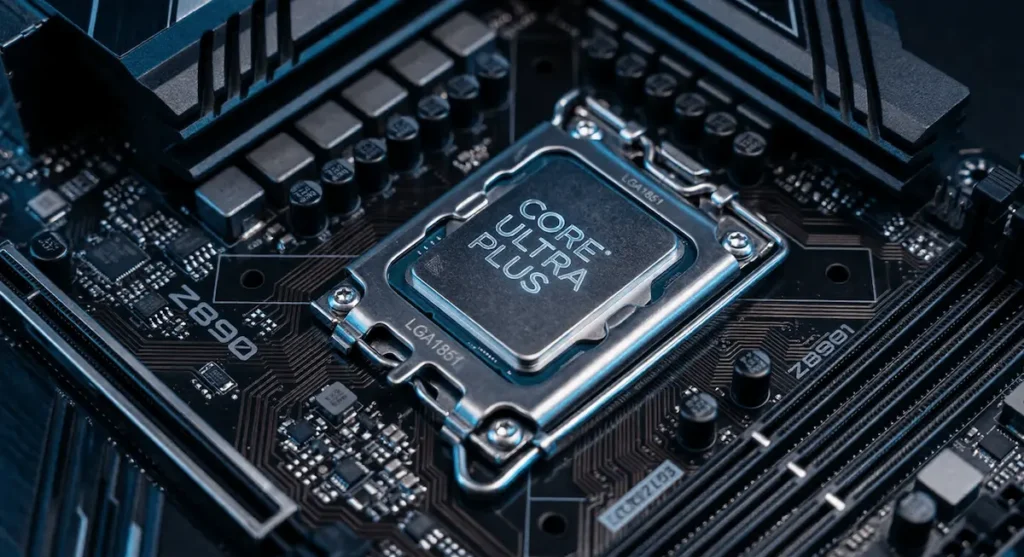
Intel is reportedly preparing to launch its Arrow Lake Refresh (ARL-R) desktop processors on March 23, 2026. This mid-cycle update introduces “Plus” variants of the current Core Ultra lineup, aiming to stabilize the LGA1851 platform before the industry shifts toward the next-generation Nova Lake architecture later this year.
Strategic Shift: More Cores, Lower Tiers
Unlike previous “Refresh” generations that relied almost exclusively on clock-speed bumps, Arrow Lake Refresh appears to be a structural realignment. Leaked specifications suggest Intel is increasing Efficiency-core (E-core) counts on mid-range models to bridge the performance gap with high-end enthusiasts’ chips.
For desktop buyers, the refresh represents a “value correction.” By pushing higher core densities into the Ultra 5 and Ultra 7 tiers, Intel is attempting to reclaim the multi-threaded performance crown in the $250–$450 price bracket.
The Expected Lineup: Core Ultra 7 270K and Ultra 5 250K
According to preliminary listings and industry sources, the launch will focus on two primary unlocked SKUs:
- Core Ultra 7 270K Plus: This chip is expected to be the new sweet spot for enthusiasts. It reportedly features 24 cores (8P + 16E), effectively bringing the core density of the current flagship Ultra 9 down to the Ultra 7 price point.
- Core Ultra 5 250K Plus: Aimed at mainstream gamers, this SKU is rumored to jump from 14 cores to 18 cores (6P + 12E). Early benchmarks indicate a 12-15% uplift in multi-threaded workloads over the original 245K.
Both chips will natively support DDR5-7200 CUDIMM memory, providing a necessary bandwidth boost to help mitigate the latency issues observed during the initial Arrow Lake launch.
The Core Ultra 9 “Cancellation” Explained
Perhaps the most significant news is the reported cancellation of the Core Ultra 9 290K Plus. Industry analysts suggest that Intel axed the flagship refresh to avoid internal competition. Since the new Ultra 7 270K Plus matches the 24-core count of the Ultra 9 tier, a “Plus” version of the 290K would have offered negligible real-world gains, likely suffering from diminishing returns in power efficiency.
InsightTechDaily Analysis: Should You Upgrade?
The Arrow Lake Refresh is essentially the “final form” of the LGA1851 socket. With the 2027 Nova Lake architecture confirmed to use the new LGA1954 socket, buyers are at a crossroads.
Editorial Note: If you are already on an LGA1851 motherboard, the “Plus” series offers a cost-effective path to maximum platform performance. However, if you are building a new system from scratch, the short lifespan of this socket makes it a difficult recommendation for those seeking long-term longevity.
What to Watch For
Intel is expected to hold a technical briefing on March 11, where official pricing and final clock speeds will be confirmed. While the “Plus” branding suggests a premium, rumors of a price cut for existing non-refresh chips could lead to a significant shift in the PC hardware market value-proposition.
The Bottom Line: Expect a modest 5% gain in single-core speeds, but a substantial jump in multi-threaded value. For gamers and creators, the 270K Plus is the chip to watch.
Related Content: Thinking of sticking with the current generation? Check out our deep-dive:
See What We Thought of the Intel Core Ultra 7 265K.
Is it still a good buy in 2026?